BPC-157 & TB-500: The Tissue-Repair Toolkit Behind Modern Recovery Research
Two peptides keep showing up in regenerative-medicine papers. Here's the mechanism. and why purity matters.
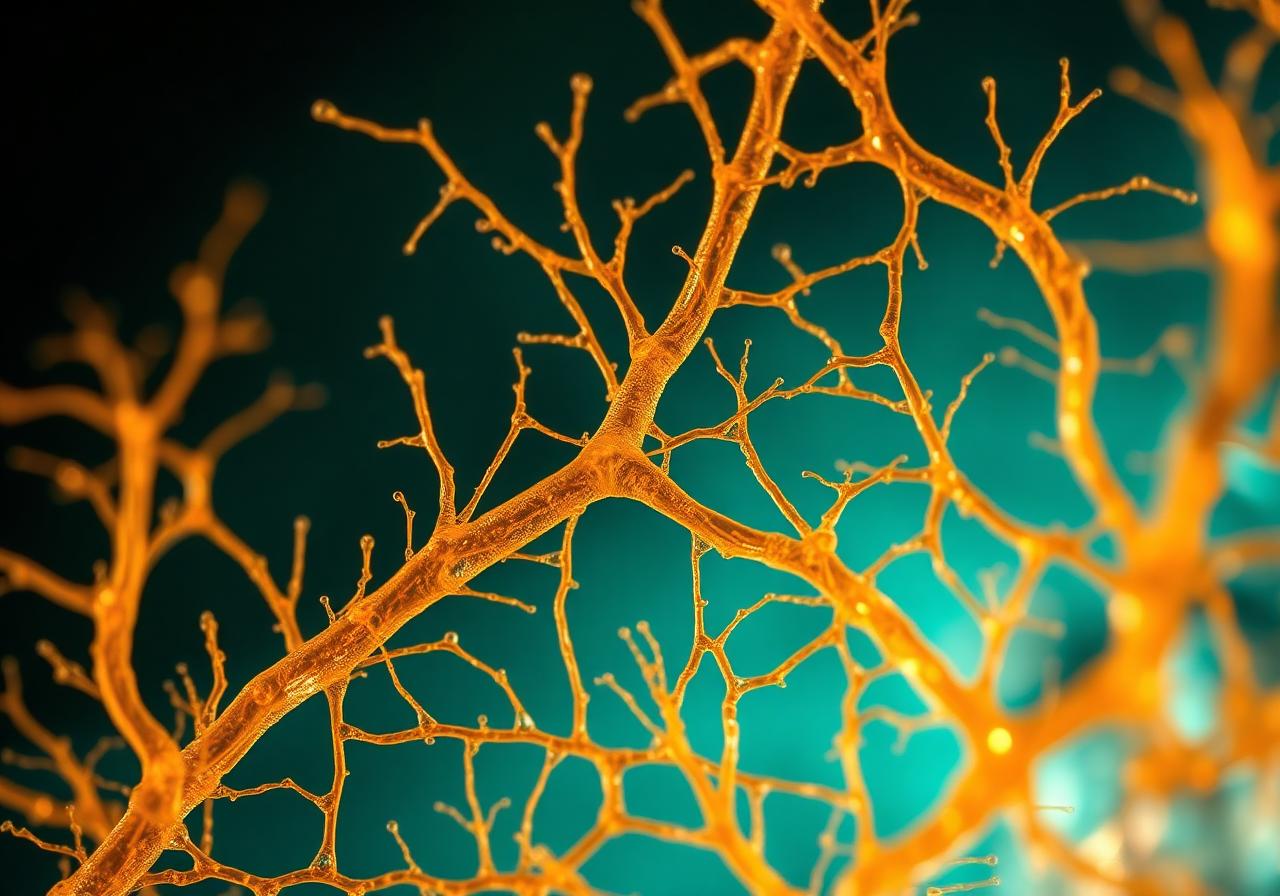
BPC-157 is a 15-amino-acid fragment of human gastric protective protein. In animal studies it has been associated with accelerated tendon-to-bone healing, gut-lining repair, and angiogenic effects through the VEGFR2 pathway. TB-500 (a synthetic Thymosin β4 fragment) up-regulates actin sequestration and promotes endothelial cell migration.
Used together in pre-clinical models, the two peptides exhibit complementary mechanisms. BPC-157 favors connective-tissue and gut work; TB-500 dominates in vascular and muscular repair contexts. Many recovery-research protocols therefore study them as a blend.
The catch: both peptides degrade fast in suboptimal storage. A vial that's been temperature-cycled or contains residual TFA can give you completely different in-vitro behavior than a fresh, lyophilized 99%+ pure lot. This is why Orvion ships every order cold-chain in temperature-controlled packaging.
If your study depends on consistent tissue-repair signal, the supply chain is part of the experimental design. not an afterthought.
Ready to run your study?
99%+ HPLC/MS verified · batch tested · cold-chain shipped.
Shop research peptides